
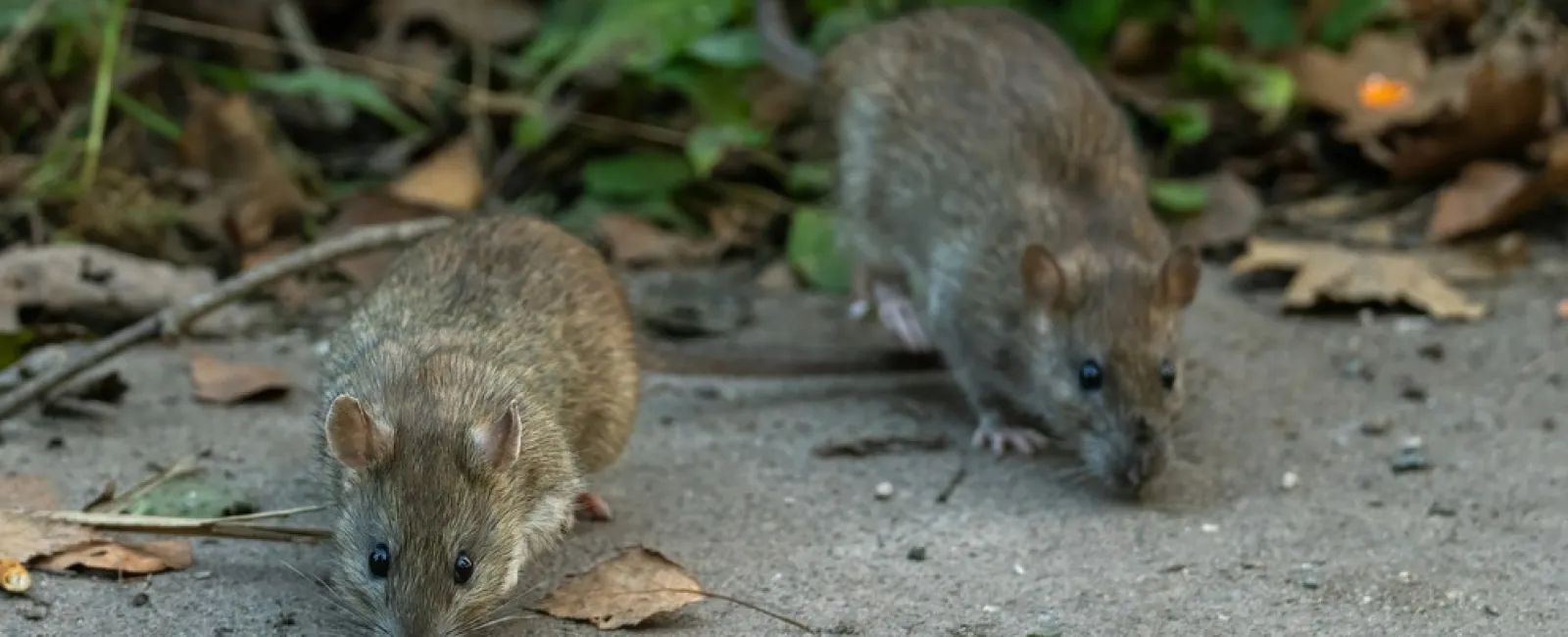
That Scratching Sound: A Rodent Call From This February
When We Walked In
February is usually when we get a steady uptick in rodent calls here in Jacksonville. A couple of weeks ago, we got a call from a homeowner near the beaches. It was a single-family home, nothing unusual at first glance. The homeowner said they'd been hearing scratching late at night, mostly above the ceiling in the garage and occasionally in the walls near the kitchen.
They weren't panicked yet, just concerned. That's usually how these calls start — a noise here, a smell there, something that doesn't feel right. They wanted someone to take a look before it turned into a bigger issue.
The Problem
Once we started the inspection, the signs were hard to miss. In the garage, we found droppings tucked into the back corners where items hadn't been moved in a while. In the attic, sections of insulation had been pulled apart and compressed, which is a common sign of nesting. We also saw chew marks on cardboard boxes and along the outer jacket of a wire near the attic opening.
That kind of damage doesn't happen overnight. It usually means rodents have been coming and going long enough to get comfortable. What worries most homeowners isn't just the mess — it's what they don't see. Rodents move through kitchens, storage areas, and wall voids, leaving behind urine and bacteria wherever they travel.
In this case, the homeowner's main concern was health and safety. With kids in the house, the idea of rodents moving through food storage areas and living spaces was unsettling. There was also the unknown factor — how long the rodents had been there and how far they'd spread through the home.
That uncertainty is often the most stressful part. People can handle a problem when they understand it, but not knowing the scope of it tends to keep them on edge.

The Process
We started by focusing on access points. Rodents usually don't wander far unless they have a reliable way in and out. In this home, we found gaps along the roofline and a vent opening that had loosened over time. That kind of wear is pretty common in Florida homes due to heat, moisture, and storm activity.
Once we knew how they were getting in, we moved on to control. We placed traps in specific locations based on where activity was showing up — along walls, near nesting areas, and in travel paths. We don't place traps randomly. Where they're set makes a big difference.
At the same time, we sealed the entry points using materials rodents can't chew through. Sealing is just as important as removal. Without it, rodents will keep finding their way back in.
We also walked the exterior and garage areas to make sure nothing else was being missed. The goal wasn't just to deal with what was inside that day — it was to stop the problem from repeating itself down the road.
The Outcome
Within a short period, the signs of activity stopped. There were no more noises at night, no fresh droppings in the garage, and no new damage in the attic or storage areas. The traps stayed undisturbed, which told us the rodents were no longer moving through the home.
When we checked back in, the homeowner said the biggest difference was being able to sleep through the night again. That's something we hear often. Rodents have a way of making people feel uneasy in their own space, especially when the sounds happen after dark and you don't know what's behind the walls.
We scheduled a follow-up to confirm everything stayed quiet, and it did. No new signs showed up, and the home felt normal again. Once the problem was resolved and the entry points were sealed, there was nothing for the rodents to come back to.
DIY Advice We Shared
Before we wrapped up, We walked the homeowner through a few things they could keep up with on their own. None of these take much time, but together they help reduce the chances of rodents coming back.
Store items in sealed plastic bins instead of cardboard, especially in garages and attics
Keep pet food and bird seed in airtight containers and avoid leaving bags open overnight
Trim back vegetation and tree branches so they aren't touching or hanging over the house
Periodically check vents, soffits, and rooflines for damage or gaps, especially after storms
Make sure garage doors close tightly and don't leave gaps along the bottom
Avoid leaving clutter against exterior walls, which can give rodents places to hide
Pay attention to new noises or smells instead of brushing them off
They followed through on these steps, and it made a noticeable difference. Keeping up with the small things helped support the work we did and reduced the chances of the issue starting up again.

Professional Insight
Rodents are one of those issues where timing matters. Catching it early can save a lot of trouble. But once rodents have established nesting areas or found multiple entry points, it's hard to solve without proper inspection and exclusion work.
Traps alone don't fix access problems. And access problems are why rodent issues come back.
Sometimes professional help isn't about doing more — it's about doing the right things in the right order.
Closing
Jobs like this are a good reminder of how small issues turn into big ones if they're ignored. Rodents don't usually announce themselves loudly at first. They test a home quietly.
If you're in the greater Jacksonville area and noticing sounds, smells, or signs that don't add up, it's worth checking sooner rather than later.
As always, stay aware, take care of your space, and don't hesitate to reach out if you need help.
Exclusive Savings Offer:
Receive 10% OFF any new recurring pest control or rodent service for this month only. Mention "Kingfish Tales Discount" during purchase.
Kingfish Pest Control is a proud partner of the Jacksonville Jaguars.