Florida Winter Pests: Staying Protected Through the Holidays
Rodents on the Move: Seeking Shelter Indoors
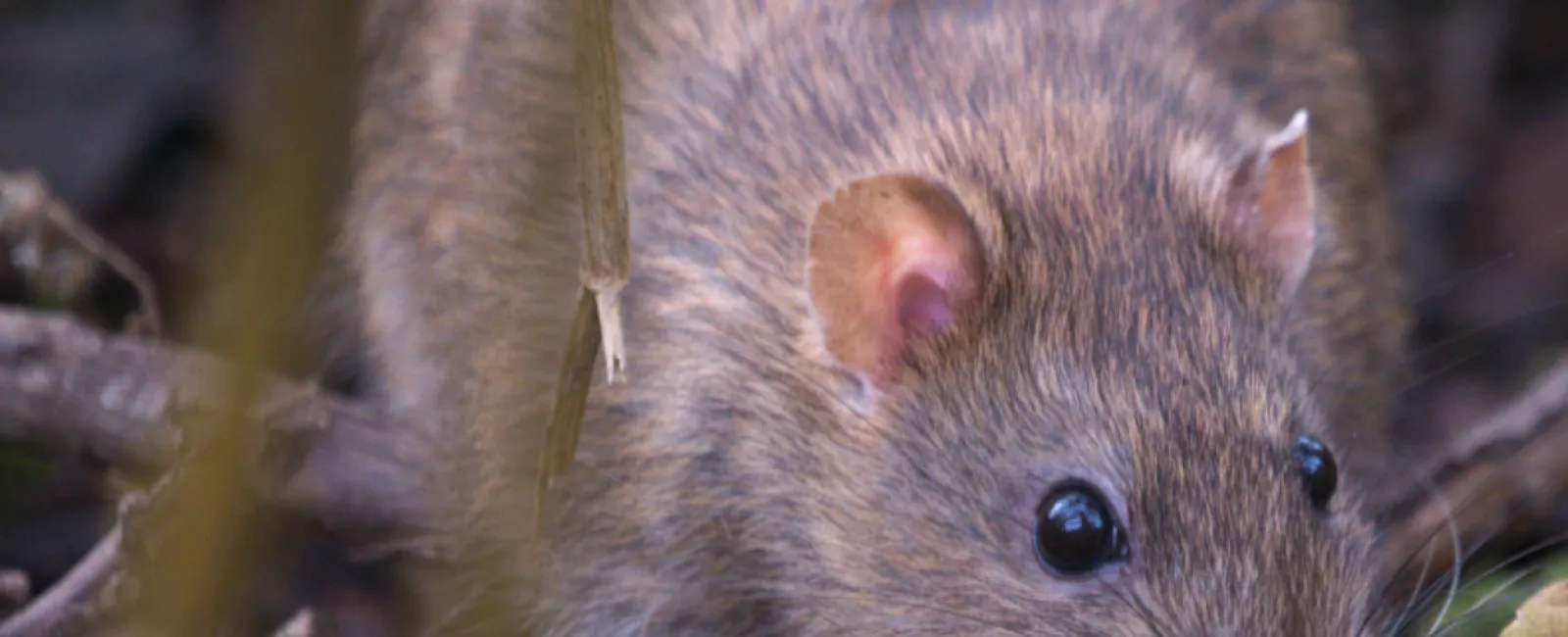
As temperatures drop in Florida's cooler months, rodents like rats and mice instinctively search for warm, safe spaces — and your home provides the perfect environment. Attics, basements, garages, and even kitchen pantries become ideal hiding spots during the winter season.
Rodents are not just a nuisance — they can cause serious structural damage, contaminate food, and pose health risks by spreading diseases such as salmonella and hantavirus. That's why identifying the early signs and taking preventative action are critical.
Warning Signs of a Rodent Infestation
Watch for these clear indicators that uninvited guests may already be inside:
Scratching or Scampering Noises:
Often heard in walls, ceilings, or attics — especially at night when rodents are most active.Droppings and Urine Trails:
Small, dark pellet-like droppings typically appear along baseboards, in pantries, or near stored food.Chewed Wires and Insulation:
Rodents gnaw constantly to keep their teeth from overgrowing. This can damage electrical wiring and insulation, increasing fire hazards.Nesting Materials:
Shredded paper, fabric, or insulation found in corners, attics, or storage boxes indicate nesting activity.Foul Odors or Ammonia Smells:
A persistent musky odor may signal rodent urine or nesting areas behind walls.Tracks or Grease Marks:
Rodents follow the same paths repeatedly, leaving dark, greasy smudges along walls or baseboards.
Steps to Prevent Rodents This Winter
You can stop rodents before they become a problem with these proactive measures:
Inspect for Entry Points:
Walk around your home's exterior and foundation. Look for gaps, cracks, or openings larger than a dime — rodents can squeeze through incredibly tight spaces.Seal Gaps Properly:
Use steel wool, copper mesh, or metal flashing to block entry points. Avoid foam or caulk alone, as rodents can chew through these materials.Protect Attics and Garages:
Make sure vents, soffits, and rooflines are screened and free of damage. Rodents often access homes from above through small roof or vent gaps.Store Food and Decorations Securely:
Keep pet food, birdseed, and pantry items in airtight containers.
When packing up holiday décor, use sealed plastic bins instead of cardboard boxes — rodents love nesting in paper materials.
Ants, Roaches & Pantry Pests: The Kitchen Invasion
The holidays bring family, food, and festive cheer — but they also invite unwanted kitchen guests. Warm indoor temperatures, sweet ingredients, and leftover crumbs make your kitchen a paradise for ants, cockroaches, and pantry pests like weevils and moths.
These insects are small but relentless. Once they find a food source, they can contaminate supplies, spread bacteria, and establish colonies that are difficult to eliminate without professional help.
Common Winter Kitchen Invaders
Before you can stop them, it helps to know what you're up against:
Ants:
Sugar ants and ghost ants are particularly active during Florida's winter months. They enter homes through foundation cracks or windows, attracted by sugary spills and crumbs.Cockroaches:
German and American cockroaches prefer warm, humid spaces — like behind dishwashers, stoves, or refrigerators. They multiply rapidly and can contaminate food and surfaces with bacteria.Pantry Pests:
Moths and weevils thrive inside flour, cereal, rice, or pet food containers. Even sealed packages can become breeding grounds if left unchecked.Fruit Flies & Gnats:
Overripe fruit, unwashed recyclables, and sink drains often become hotspots for small flying pests during the holidays.
Ways to Keep Your Kitchen Pest-Free
A clean kitchen is your best defense. Here's how to make sure it stays that way through the busy holiday season:
Clean as You Cook:
Wipe down counters, stovetops, and backsplashes immediately after preparing food. Crumbs and sticky spills are a feast for ants and roaches.Store Ingredients Properly:
Transfer flour, sugar, rice, and cereals into airtight glass or plastic containers. This prevents pantry moths and weevils from entering or breeding in your food supply.Empty Garbage Regularly:
Don't let food waste sit overnight — especially during warm Florida evenings. Use sealed trash bins and line them with sturdy bags to reduce odor and pest attraction.Mind the Pet Food:
Pet food is a major attractant for ants and roaches. Keep it in sealed containers and avoid leaving pet bowls out overnight.
Termites: The Hidden Winter Threat
While much of the country gets a pest break during icy winters, Florida homeowners don't get that luxury. Thanks to the state's warm, humid climate, termites remain active year-round, quietly feeding and expanding their colonies even during the holiday season.
Homeowners often assume that termite control can "wait until spring." But in reality, winter is one of the best times for termite prevention — when colonies are most active beneath the soil and inside wooden structures.
Unchecked, these silent destroyers can compromise your home's foundation, walls, and structural beams — resulting in repairs that can cost thousands of dollars.
Common Signs of Termite Activity
Termites can stay hidden for years before noticeable damage appears. Watch closely for these warning signs around your home:
Discarded Wings:
You may find small, translucent wings near windowsills, light fixtures, or door frames. These are shed by swarmers — reproductive termites that leave the colony to start new ones.Hollow or Soft-Sounding Wood:
Tap wooden furniture, door frames, or baseboards. If they sound hollow or give way easily, termites may have eaten the wood from the inside out.Bubbling or Uneven Paint:
Paint that appears blistered or warped could indicate moisture buildup caused by termite tunnels just beneath the surface.Mud Tubes:
Pencil-sized tubes running along the foundation, walls, or crawl spaces are a major red flag. These are the highways termites use to travel between soil and wood, maintaining humidity for their colonies.Wood Dust or Frass:
Drywood termites often leave behind tiny pellets or wood-colored dust near infested areas — another telltale sign of an active colony.
This winter, let Kingfish Pest Control take the stress out of pest management so you can focus on celebrating with family and friends. Whether it's a mouse in the attic or termites under the floorboards, our expert team is here to keep your home safe, warm, and pest-free — all season long.
Request your free winter inspection today.
Contact or visit the website to schedule your service.
Kingfish Pest Control is a proud partner of the Jacksonville Jaguars.