Tick Season 2026 in Jacksonville: Why Experts Expect One of the Worst Years in a Decade
Tick season has arrived in Northeast Florida, and early data suggests that 2026 may be one of the most active tick years in nearly a decade. National surveillance shows that emergency room visits for tick bites are at their highest levels for this point in the year since 2017, and Florida's warm climate only intensifies the problem. Unlike northern states that experience winter die‑offs, Jacksonville's subtropical environment allows ticks to remain active year‑round. The combination of heat, humidity, and dense vegetation creates ideal conditions for ticks to thrive in every season.
Jacksonville's rapid suburban growth also plays a role. As neighborhoods expand into wooded and marshy areas, wildlife such as deer, raccoons, opossums, and rodents move closer to homes—bringing ticks with them. This "wildland‑urban interface" is one reason North Florida consistently ranks as a moderate‑to‑high tick‑risk region, with peak activity from late spring through early fall.
Common Tick Species in Jacksonville
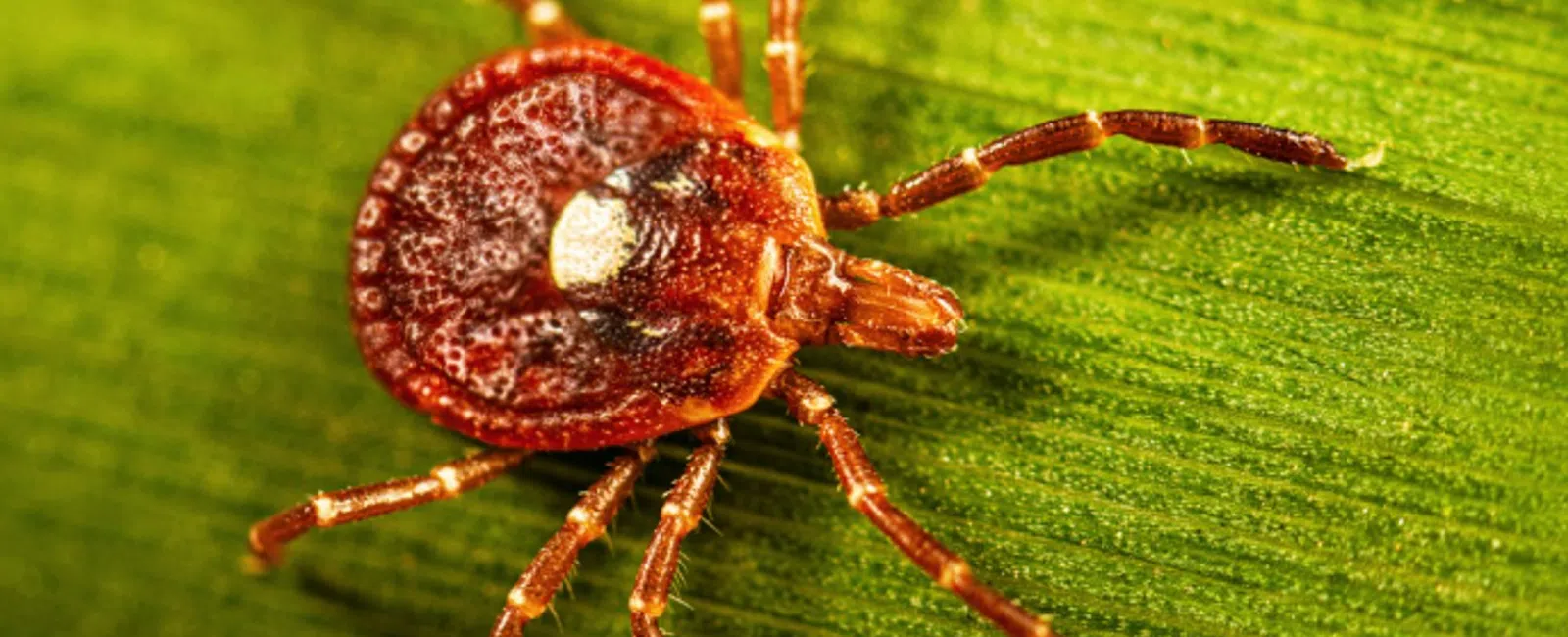
Jacksonville is home to several tick species that pose risks to both people and pets. The Lone Star tick is one of the most common and aggressive human‑biting ticks in Florida. Females are easy to identify by the distinctive white dot on their backs. The American dog tick is also widespread and frequently found on pets, though it will bite humans as well. Blacklegged ticks, also known as deer ticks, are less common in Florida but still present and capable of transmitting Lyme disease. The Gulf Coast tick thrives in sunny, grassy areas and is increasingly found in coastal and inland regions of Northeast Florida.
Tick‑Borne Diseases That Affect People in Florida
Ticks in Florida can transmit a wide range of illnesses, and several of them are becoming more common. Rocky Mountain spotted fever (RMSF) remains one of the most serious tick‑borne diseases in the Southeast and can be fatal if not treated quickly. Ehrlichiosis is another significant concern in Florida, often causing fever, muscle aches, and fatigue. The Lone Star tick is also responsible for alpha‑gal syndrome, a condition that can trigger a severe allergy to red meat. While Lyme disease is less common in Florida than in northern states, cases do occur, and symptoms such as fatigue, joint pain, and the classic bull's‑eye rash should never be ignored.
Tick‑Borne Diseases That Affect Pets in Jacksonville
Dogs in Northeast Florida are at high risk for tick‑borne illnesses because they spend time in grass, wooded areas, and backyards where ticks thrive. Pets in Jacksonville can contract Lyme disease, ehrlichiosis, anaplasmosis, babesiosis, and Rocky Mountain spotted fever. The American dog tick can even cause tick paralysis in dogs, a condition that typically resolves once the tick is removed. Because pets often bring ticks into the home, year‑round prevention is essential.
Why 2026 Tick Season Is Expected to Be Worse
Experts point to several factors behind the surge in tick activity this year. National data shows that emergency room visits for tick bites are at their highest levels since 2017, signaling unusually high early‑season activity. Florida's warm climate allows ticks to remain active throughout the year, and the state's humidity helps them survive and reproduce more easily. Expanding wildlife populations and continued suburban development also increase human exposure. Together, these factors create a longer, more intense tick season for Jacksonville families.
How Jacksonville Residents Can Protect Themselves
Prevention is the most effective way to reduce tick‑borne disease risk. Using EPA‑approved repellents, wearing long sleeves and pants in wooded or grassy areas, and performing thorough tick checks after outdoor activities can significantly reduce exposure. Showering soon after being outdoors and removing ticks within 24 hours lowers the risk of Lyme disease. For pets, veterinarians recommend year‑round tick preventatives, daily checks, and regular grooming.
How Kingfish Can Help
With tick activity rising and Florida's climate allowing ticks to thrive year‑round, professional yard treatments are one of the most effective ways to reduce tick populations. Kingfish Pest Control offers targeted, pet‑friendly tick reduction services designed specifically for Florida's environment. Reducing ticks in your yard helps protect your family, your pets, and your peace of mind.
Sources
- CDC: Emergency room visits for tick bites at the highest levels since 2017 (April 2026).
- CDC: Tickborne diseases and transmission risks.
- University of Florida IFAS: Tick activity in Florida is year‑round; nymphs and adults can transmit disease.
- UF/IFAS Extension: Lone Star tick prevalence and alpha‑gal syndrome risk.
CDC Tick Surveillance: Florida tick species distribution and disease risk.
Exclusive Savings Offer:
Receive 10% OFF any new recurring pest control or rodent service for this month only. Mention "Kingfish Tales Discount" during purchase.
Kingfish Pest Control is a small company with a big heart. Our team monitors voicemails, emails, and texts outside normal business hours and will respond as quickly as possible. We recognize everyone has different demands on their time and ask that you respond when convenient.